
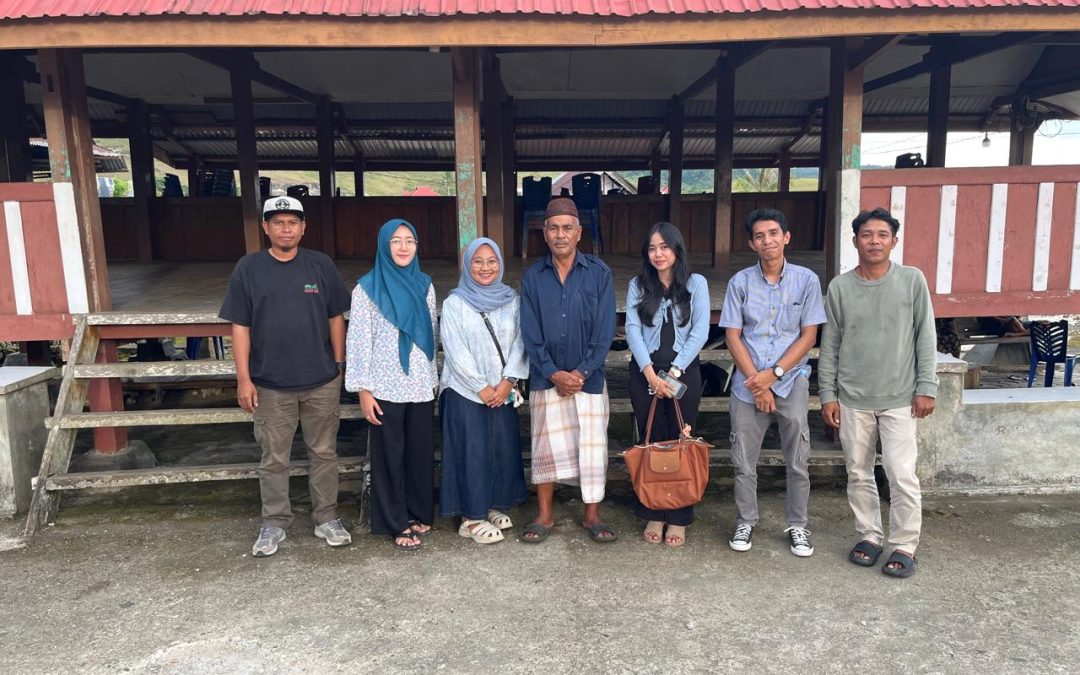
Farmers, especially small farmers, face economic losses due to unstable agricultural output. This research helps to understand the extent of this vulnerability and promotes inclusive adaptation policies. The research team from Agribusiness UNDIP carried out collaborative research entitled “Exploring Farmers’ Indigenous Knowledge as an Adaptive Strategy to Global Climate Dynamics in Buton Regency, Southeast Sulawesi”. The research, which took place in May 2025, involved 250 farmers in Buton Regency. This research collaboration was carried out by Annisa Firdauzi, S.P., M.P., with team members Siwi Gayatri, Ph.D., and Kadhung Prayoga, S.P., M.Si. Annisa as lead of the research team stated that farmers from various sub-districts were also involved to explore local practices that were proven to be able to answer the challenges of climate change, especially in traditional agricultural management which still maintains strong cultural values.
This research also includes a study of Livelihood Vulnerability and Climate Change Risk Management Strategies by the Forest Farmers Group (KTH), with team member of Fatikhah Nurul Fajri, S.P., M.P., and Pramesti Megayana, S.P., M.Sc. In a discussion with the Head of the Buton Regency Agriculture Office, Mr. Ma’mul Jamal, S.P., M.Sc., he stated, “In Buton Regency, local varieties are still used and farmers are still identified with local wisdom. For example, there are still traditional ceremonies before planting until harvesting period. There is also the ‘Kaombo’ area which is served as an agricultural buffer area and conservation.” This Practices are an important focus in formulating community knowledge-based adaptation strategies.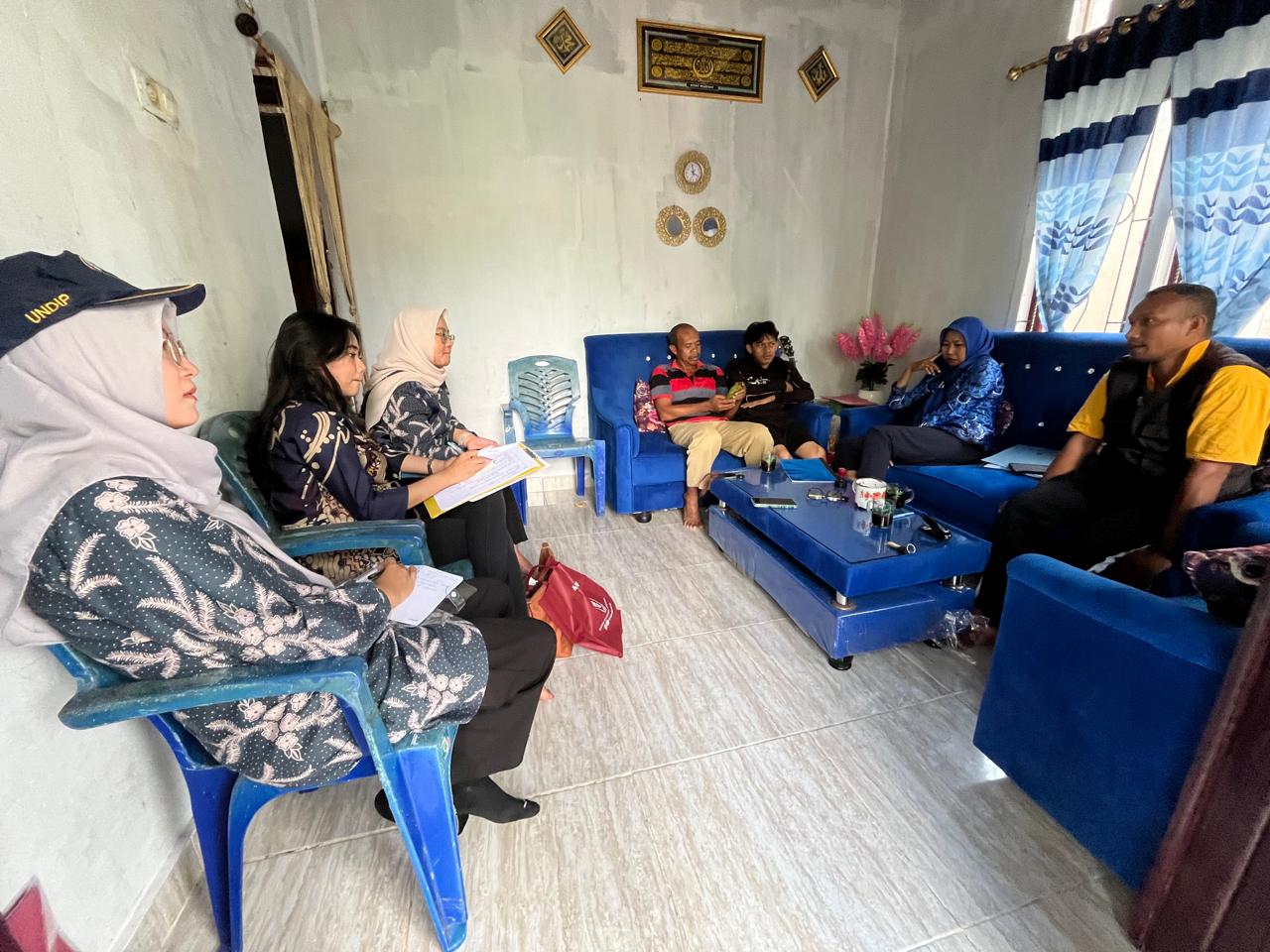
Annisa Firdauzi added that collaboration between academics and local government is a key element in this research. Through collaboration with the Buton Regency Agriculture Office, Extension Services Office of Lasalimu District, Kapontori, Siotapina, and local NGO’s SERABUT (Butuni People’s School), this research shows that multi-stakeholder synergy is very important to produce accurate contextual data and locally relevant policies. It is hoped that this kind of collaborative scheme can become a model in developing policy research that is not only scientifically based, but also based on the socio-cultural realities of local communities. Thus, research on climate change in the agricultural sector is not only scientifically important, but also vital for the economic, environmental and social sustainability of farming communities.
